Oil Drilling

Celebrate Endangered Species Day on May 18, 2012!


May 18th, 2012

This year we highlight 82 coral species waiting for the NMFS to take action

Today is Endangered Species Day. This day celebrates the successes stories of species such as the Bald Eagle that have been saved from extinction though the implementation of the Endangered Species Act.  However, Reef Relief would like to bring attention to coral species, locally and worldwide that are threatened with extinction.

Corals worldwide face an uncertain future and many have already been lost. Carbon dioxide pollution is causing longer and more frequent coral bleaching events and ocean acidification. These stressed coral become more sensitive to other threats such a poor water quality and disease.

Elkhorn and Staghorn corals, historically found throughout the Caribbean, became the first corals to receive protection under the Endangered Species Act in 2006. Protection under this act means that many activities such as dredging, and offshore oil development would have stricter regulation in areas where these species are found and requires Federal agencies to ensure that their actions do not harm listed species.

In 2009, the Center for Biodiversity petitioned to list 83 coral species under the Endangered Species Act. The government found that 82 of the species may meet the criteria to be listed but have not taken any action to date. In January of this year, the Center for Biodiversity filed a 60-day notice to sue the National Marine Fisheries Service for failing to take action on these 82 imperiled species. Eight of these species are found in the Florida waters:

Pillar Coral (Dendogyra cylindrus), Mountain Star Coral (Montastraea faveolata), Rough Cactus Coral (Mycetophyllia ferox), Whitestar Sheet Coral (Agaricia lamarcki), Elliptical Star Coral (Dichocoenia stokesii), Lobed Star Coral (Montastraea annularis), and the Large Ivory Coral (Oculina varicosa)

Image:Reef Rescue


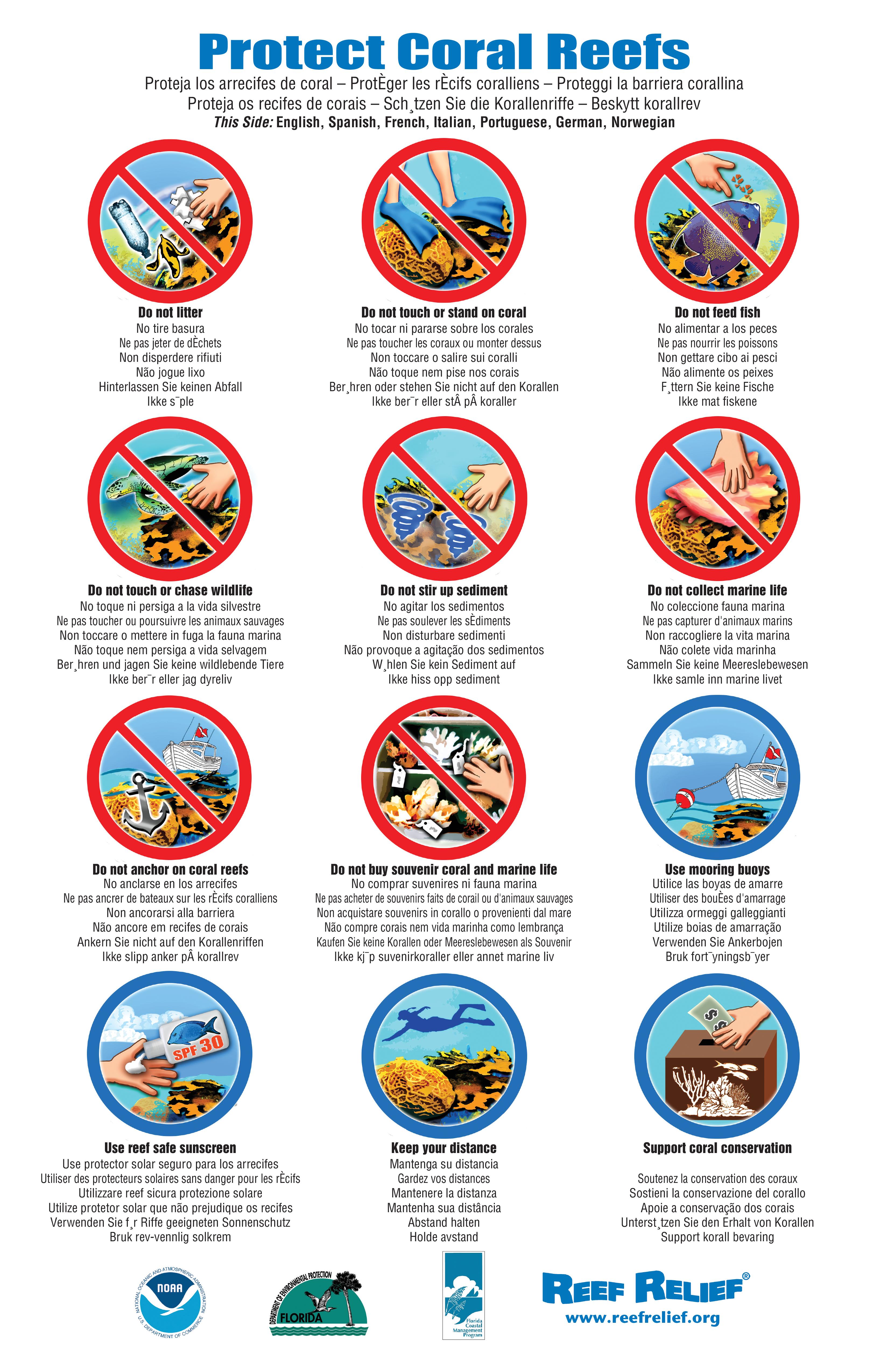
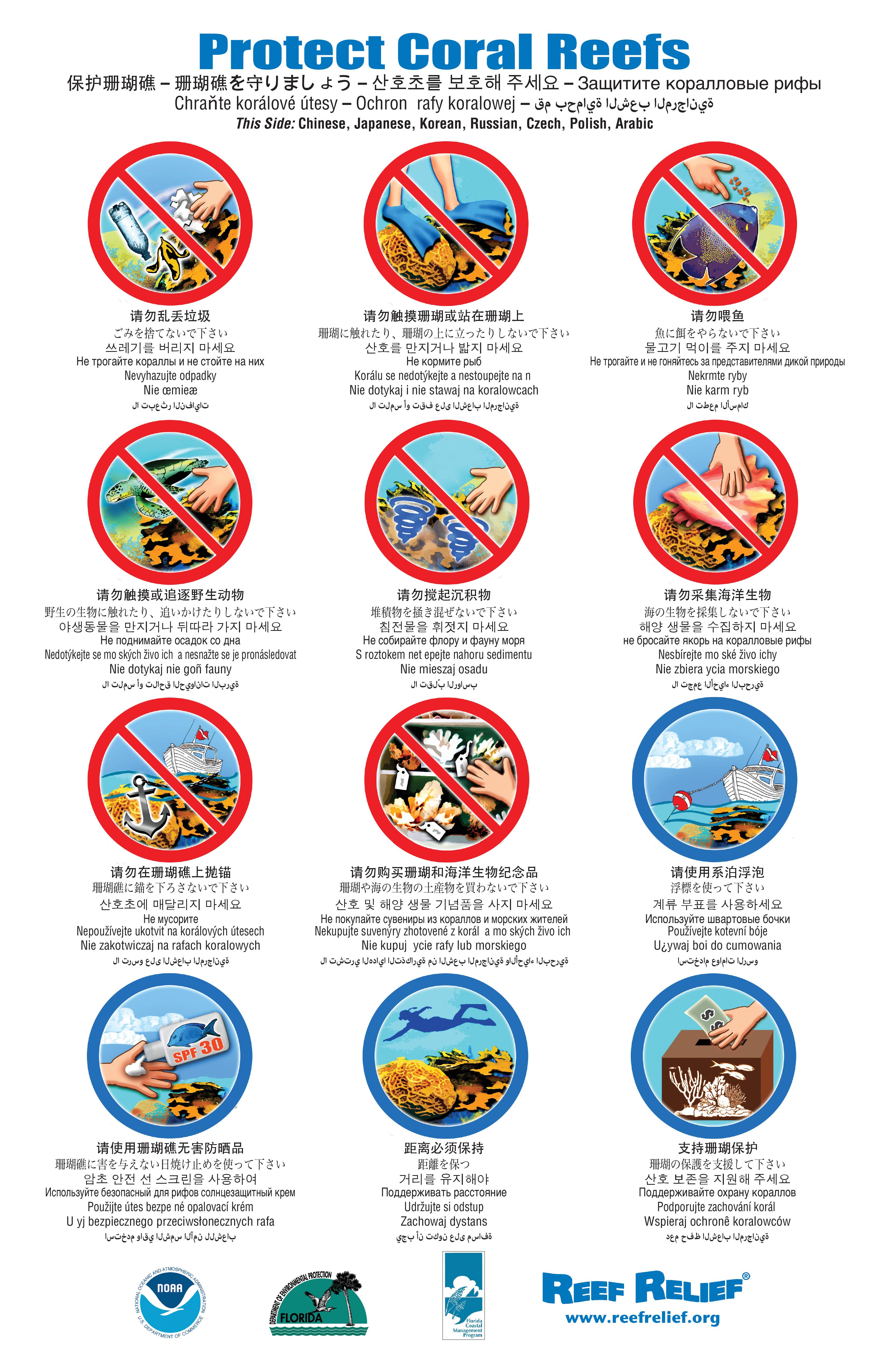
10 Things You Can Do To Help

http://ocean.nationalgeographic.com/ocean/take-action/10-things-you-can-do-to-save-the-ocean/

1. Mind Your Carbon Footprint and Reduce Energy Consumption
Reduce the effects of climate change on the ocean by leaving the car at home when you can and being conscious of your energy use at home and work. A few things you can do to get started today: Switch to compact fluorescent light bulbs, take the stairs, and bundle up or use a fan to avoid oversetting your thermostat.

2. Make Safe, Sustainable Seafood Choices
Global fish populations are rapidly being depleted due to demand, loss of habitat, and unsustainable fishing practices. When shopping or dining out, help reduce the demand for overexploited species by choosing seafood that is both healthful and sustainable.

3. Use Fewer Plastic Products
Plastics that end up as ocean debris contribute to habitat destruction and entangle and kill tens of thousands of marine animals each year. To limit your impact, carry a reusable water bottle, store food in nondisposable containers, bring your own cloth tote or other reusable bag when shopping, and recycle whenever possible.

4. Help Take Care of the Beach
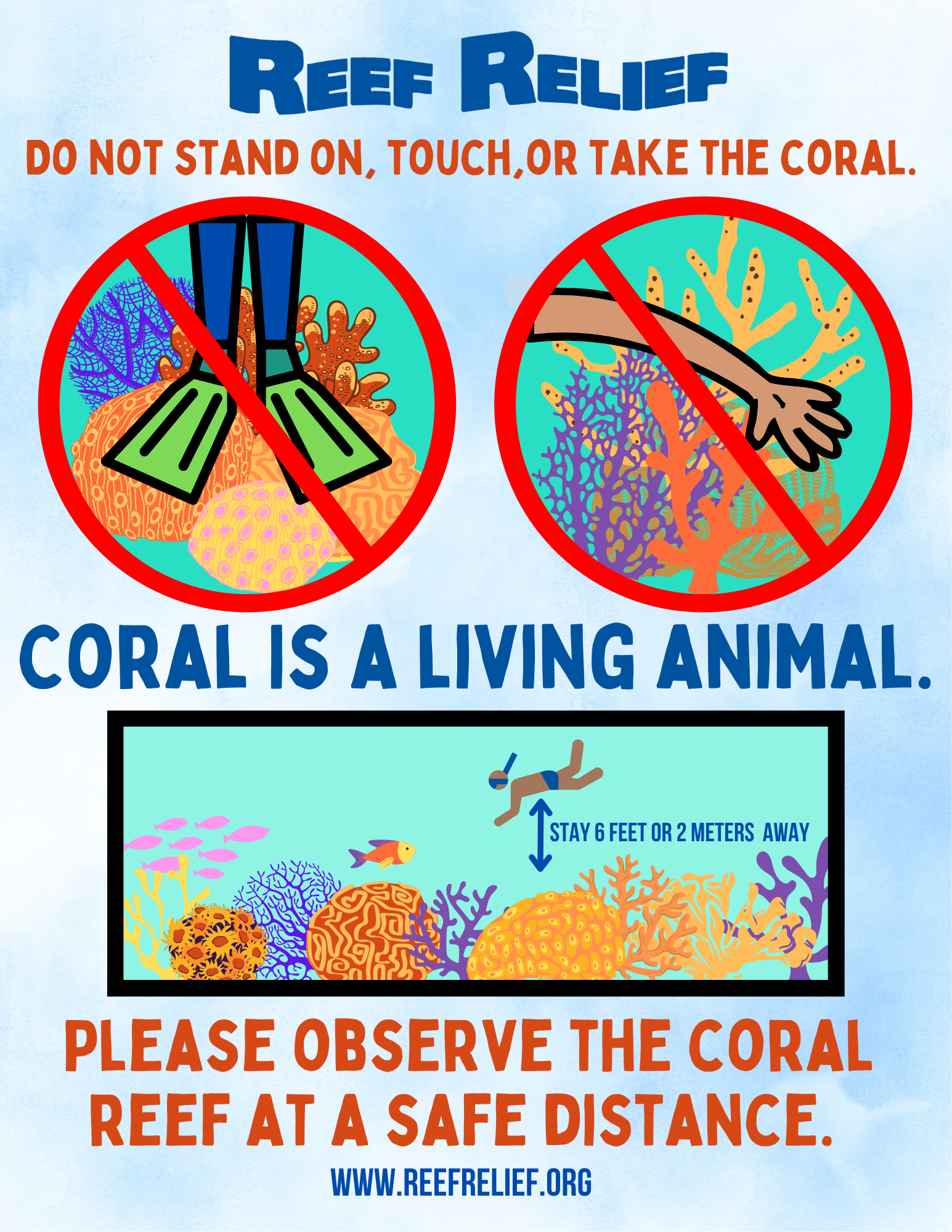
Whether you enjoy diving, surfing, or relaxing on the beach, always clean up after yourself. Explore and appreciate the ocean without interfering with wildlife or removing rocks and coral. Go even further by encouraging others to respect the marine environment or by participating in local beach cleanups.

5. Don’t Purchase Items That Exploit Marine Life
Certain products contribute to the harming of fragile coral reefs and marine populations. Avoid purchasing items such as coral jewelry, tortoiseshell hair accessories (made from hawksbill turtles), and shark products.

6. Be an Ocean-Friendly Pet Owner
Read pet food labels and consider seafood sustainability when choosing a diet for your pet. Never flush cat litter, which can contain pathogens harmful to marine life. Avoid stocking your aquarium with wild-caught saltwater fish, and never release any aquarium fish into the ocean or other bodies of water, a practice that can introduce non-native species harmful to the existing ecosystem.

7. Support Organizations Working to Protect the Ocean
Many institutes and organizations are fighting to protect ocean habitats and marine wildlife. If you live near the coast, join up with a local branch or group and get involved in projects close to home.

8. Influence Change in Your Community
Research the ocean policies of public officials before you vote or contact your local representatives to let them know you support marine conservation projects. Consider patronizing restaurants and grocery stores that offer only sustainable seafood, and speak up about your concerns if you spot a threatened species on the menu or at the seafood counter.

9. Travel the Ocean Responsibly

Practice responsible activities on the water. Never throw anything overboard, and be aware of marine life in the waters around you. If you’re set on taking a cruise for your next vacation, do some research to find the most eco-friendly option.

10. Educate Yourself about Oceans and Marine Life
All life on Earth is connected to the ocean and its inhabitants. The more you learn about the issues facing this vital system, the more you’ll want to help ensure its health—then share that knowledge to educate and inspire others.

For more information on Endangered Species Day, visit www.stopextinction.org/endangeredspeciesday

Learn more about the Center for Biodiversity’s campaign to protect 82 coral species visit: http://www.biologicaldiversity.org/campaigns/coral_conservation/index.html

Contact Reef Relief to find out what you can do locally to protect coral. Visit http://reefrelief.org , or  email: reefrelief@gmail.

Learn more at http://www.stopextinction.org/esd.html

For educational materials visit http://www.stopextinction.org/esd/195-esd-education.html

For more on marine endangered or threatened marine species visit  NOAA’s National Marine Fisheries Service’s Endangered Species Day page at http://www.nmfs.noaa.gov/pr/endangeredspeciesday/may182012.htm

Submit Your Review By April 30th & Help Reef Relief Programs

photo:NOAA

Reef Relief has been invited to participate in the 2012 Green Awards. We need 10 positive reviews (4 or 5 stars) by April 30, 2012, to get added to GreatNonprofits Top-Rated Green Nonprofits List. Please submit your story about Reef Relief. Your stories will help us promote our program to over 2 million donors on GreatNonprofits.org, and syndicated to GuideStar, CharityNavigator,GlobalGiving, and JustGive.

Do it now at http://www.greatnonprofits.org/reviews/write/reef-relief-inc/green-2012/


New iPad, iPhone App Helps Mariners Avoid Endangered Right Whales

by Underwatertimes.com News Service – April 4, 2012 18:57 EST

SILVER SPRING, Maryland — Mariners along the U.S. east coast can now download a new iPad and iPhone application that warns them when they enter areas of high risk of collision with critically endangered North Atlantic right whales. The free Whale Alert app provides one source for information about right whale management measures and the latest data about right whale detections, all overlaid on NOAA digital charts.

Whale Alert, a free app, can be downloaded from the App Store. Credit: NOAA

“Whale Alert represents an innovative collaboration to protect this critically endangered species,” said David Wiley, NOAA’s Stellwagen Bank National Marine Sanctuary research coordinator and project lead. “Whale conservation is greater than any one organization and this project shows how many organizations can unite for a good cause.”

A key feature of Whale Alert is a display linking near real-time acoustic buoys that listen for right whale calls to an iPad or iPhone on a ship’s bridge showing the whale’s presence to captains transiting the shipping lanes in and around Stellwagen Bank National Marine Sanctuary. “The idea that right whales are directly contributing to conservation through their own calls is pretty exciting,” said Christopher Clark, whose team at the Bioacoustics Research Program at the Cornell Lab of Ornithology helped develop the acoustic detection and warning system.

Read the full article at http://www.underwatertimes.com/news.php?article_id=32710094856

UCF & USF students spend spring break volunteering


Students for the University of Central Florida spent their spring break in Key West volunteering with local nonprofits including the Key West Wildlife Center, Key West Botanical Garden and Reef Relief. Eleven students volunteered with Reef Relief and the City of Key West to stencil 62 storm drains and helped clean up our shoreline by removing marine debris. Students from the University of South Florida, also, spent their vacation helping the Florida Keys Wildlife Refuges and Reef Relief.
Thanks all our student volunteers for you help!

Coral Camp 2012


Reef Relief’s Coral Camp 2012 will have 9 week long sessions. Sessions runs Monday- Friday from 8:30 am -4:30pm. Each session is $215 or $370 for two sessions.  Scholarships are available based on need and availability.

Call Reef Relief at 305-294-3100 for more information or to register now.

Coral Camp 2012 Brochure

2012 Available sessions:

Week 1    June 11 – 15
Week 2   June 18 – 22
Week 3   June 25 – 29
Week 4   July 9 – 13
Week 5   July 16 – 20
Week 6   July 23 – 27
Week 7   July 30 – August 3
Week 8   August 6 – August 10
Week  9  August 13 – 17

Help your students become OCEAN LITERATE!

The University of Oregon’s Institute of Marine Biology announces the on-line release of marine science lessons developed as part of its National Science Foundation Graduates in K-12 grant.

The following link  http://pages.uoregon.edu/oimb/Academics/GK12/ leads you to:

1.  Background on OIMB’s GK12 program

2.  Lessons sorted by habitat

3.  Resources including links to additional curriculum, photo and video libraries, ocean literacy standards, on-line marine education communities, etc.

Although our GK12 program targeted k-6th grades, many of these lessons are adaptable for older students.

Learn more about ocean literacy

Ocean Literacy means understanding the ocean’s influence on you and your influence on the ocean. There are 7 principles of Ocean Literacy — ideas scientists and educators agree everyone should understand about the ocean. Join the Network to build a more ocean literate society!